Loading page…

Identify activity, attractants and entry routes before planning treatment.
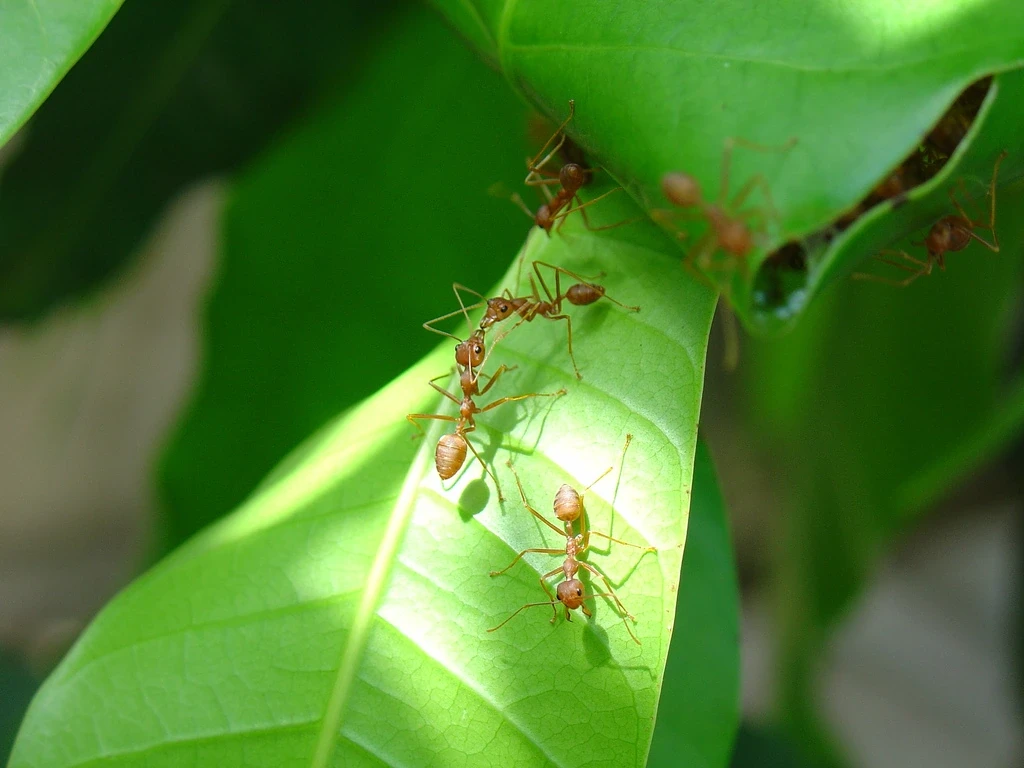
Request an assessmentAn ant trail is a route between resources and the colony, rather than a collection of unrelated insects. The point where ants enter, what they are visiting and whether the trail begins indoors or outside are useful parts of the same picture.
Different ant species use different nesting sites and food sources. Identifying the ants and tracing their movement helps avoid a plan that deals only with the visible line across a floor or worktop.
The inspection follows accessible trails, checks the likely entry points and considers food, water and nearby nesting conditions. A clear close-up and a note of where the trail begins are more useful than a count of individual ants.
Follow the agreed cleaning schedule around service placements. Store accessible food securely, address spills and discuss repair of recurring entry gaps once the route has been assessed.
If activity shifts, note the new route rather than treating every moving ant as a separate problem. Share dated observations at the agreed review.
It can remove an exposed route or food residue, but does not establish where the colony is located or whether another route is available.
No. Identification, nesting conditions and the resources being used influence the suitable approach.
Further reading: UC IPM: ants