Loading page…

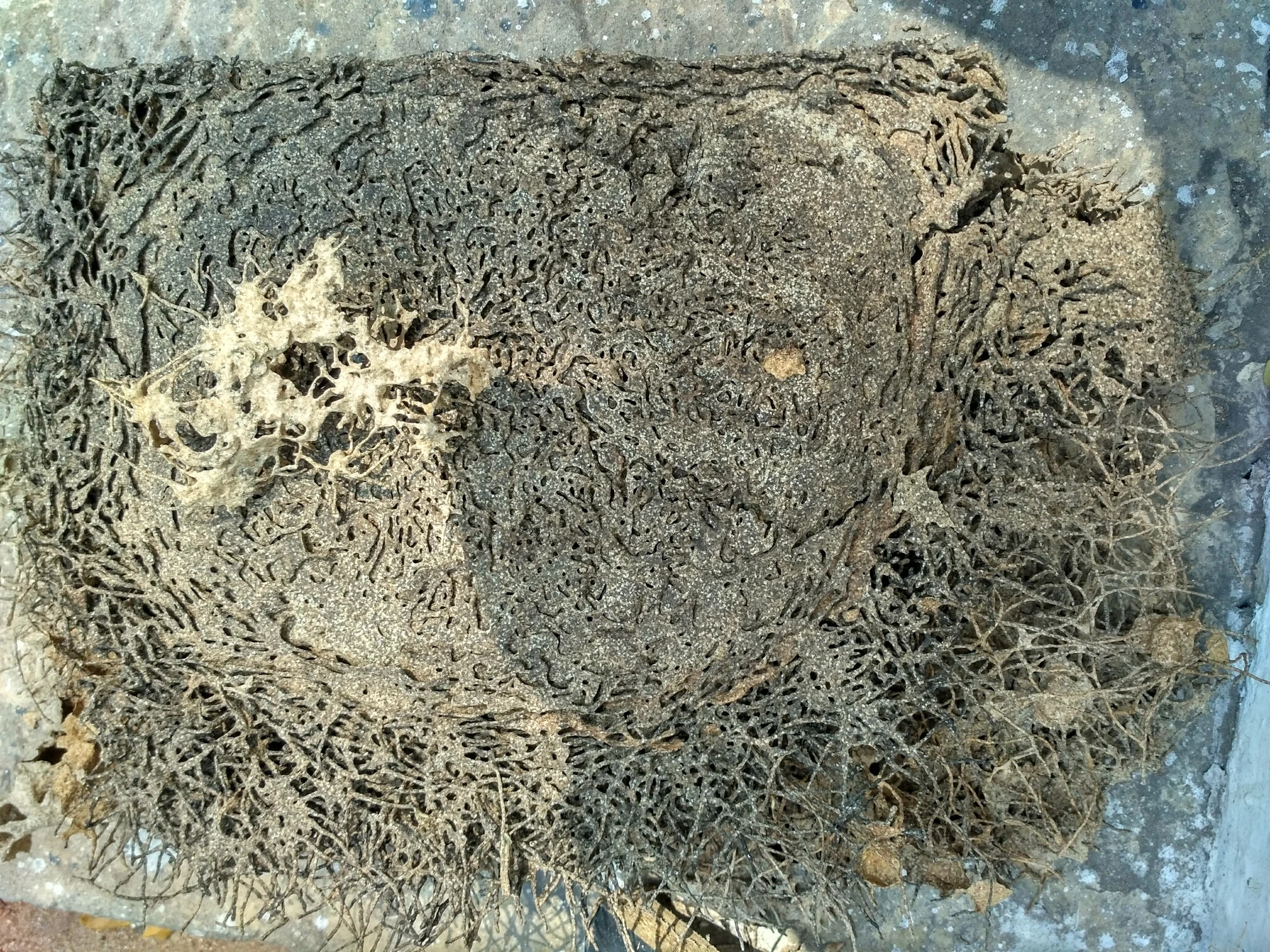
Look out for mud tubes, damaged timber or discarded wings. An assessment helps establish the extent of activity.
Request an assessmentTermites can reach timber through concealed routes, so visible damage may show only part of the problem. Mud tubes, shed wings and changes around door frames deserve a closer look; a swarm near a light does not, by itself, establish the extent of an infestation.
The inspection connects those clues with the building: ground contact, damp areas, adjoining woodwork and previous treatment records. That helps distinguish an isolated finding from activity that needs a wider property plan.
The assessment considers the location and condition of affected timber, accessible soil-to-building routes, moisture sources and any earlier service. Concealed spaces and structural repairs may require separate access or specialist review.
Check the locations identified in the inspection record for fresh tubes, wings or new timber changes. Date photographs so later findings can be compared with the original evidence.
Coordinate moisture repairs and timber replacement with the agreed plan. Follow the written instructions for treated areas and confirm the terms of any inspection or warranty separately.
Not necessarily. Swarming insects need identification, and their presence does not establish how much of the building is affected.
Document the damage first and discuss timing. Removing the evidence can make the original route harder to assess.
Further reading: US EPA: identifying termites