Loading page…

Discuss breeding sources, standing water and property access before choosing an approach.
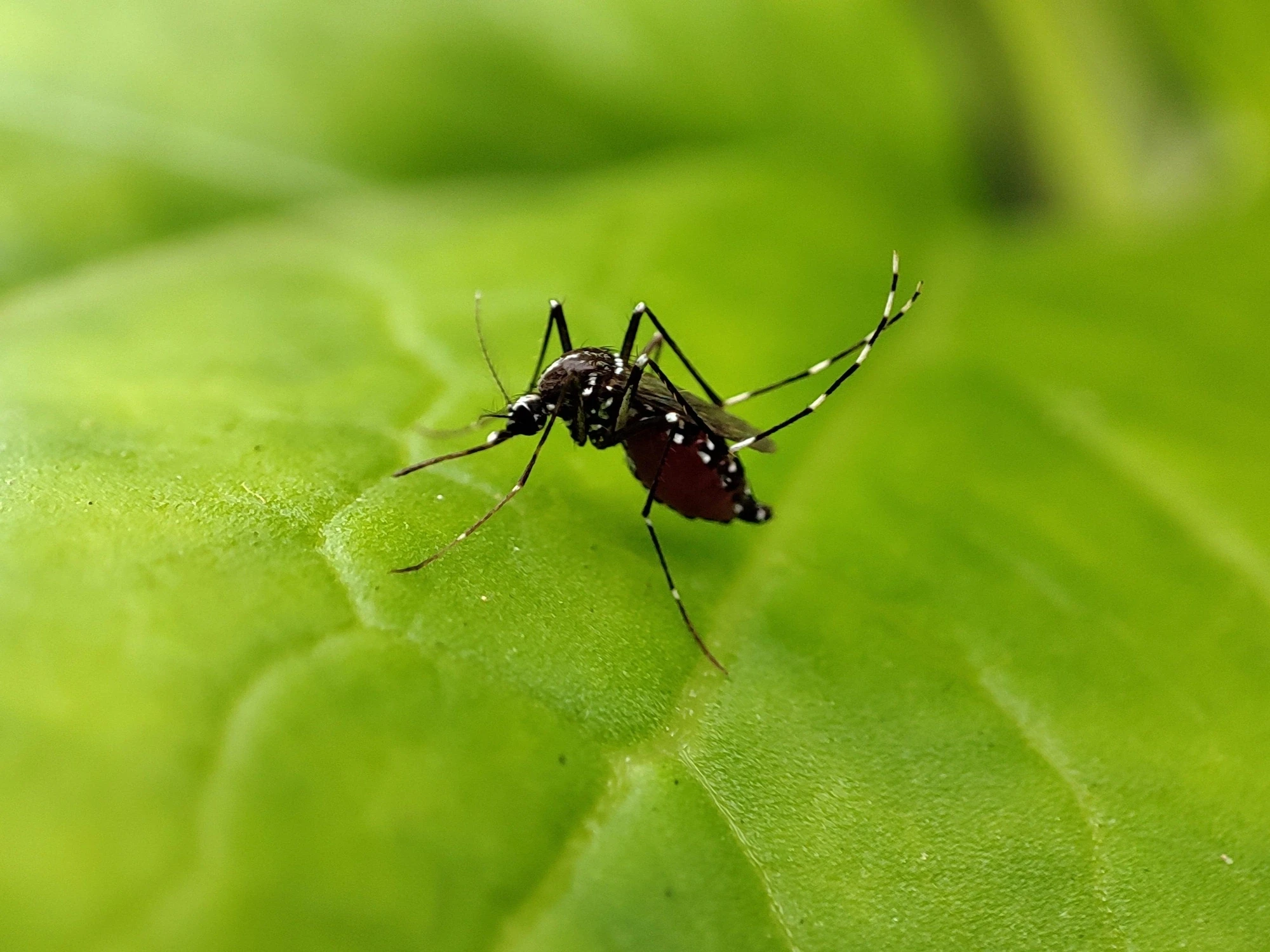
Request an assessmentMosquitoes develop in water, while adults may rest or enter buildings elsewhere. A balcony sighting and a water-holding container can therefore be connected even when they are not in the same immediate spot.
A useful plan separates breeding opportunities from adult activity and entry into occupied rooms. Containers, drainage, screens and shared outdoor areas each need a defined responsibility; treating one area cannot settle conditions outside the agreed scope.
Describe where and when mosquitoes are noticed, then identify water-holding items and shared areas that can be accessed. The assessment distinguishes private-property measures from drainage or maintenance controlled by another party.
Check accessible containers regularly; empty and clean those that do not need to hold water. Cover appropriate stored water and arrange repairs to damaged screens or drainage problems.
Keep a record of recurring water collection after rain or irrigation. Follow-up should review these conditions as well as the locations where adults were noticed.
No. The first task is to understand breeding opportunities, adult activity and the site. Any method must fit the agreed scope.
Shared conditions need coordination with the responsible property team. The inspection should make that boundary clear.
Further reading: UC IPM: mosquitoes and breeding conditions